Data Collection
Cameras, LiDARs, sensors, and telemetry collect data from a line, robot, warehouse, or asset.
Error
An error occurred during the request.
Nothing was found
Try to change the query
We design and implement software-and-hardware systems that connect equipment, cameras, sensors, digital twins, AI models, machine vision, and control algorithms into a single working loop. These systems help production sites, warehouses, robots, and infrastructure assets see the situation, analyze data, and act in real time.
What a Cyber-Physical System Is
A cyber-physical system is not just a camera, robot, or software module. It links a physical object with a digital control loop: cameras and sensors collect data, machine vision and AI recognize events and deviations, the digital twin helps test scenarios, and the control loop sends commands to equipment, a robot, or an operator.
Cameras, LiDARs, sensors, and telemetry collect data from a line, robot, warehouse, or asset.
Machine vision and AI models recognize objects, defects, events, risk zones, and deviations.
Algorithms send commands to a robot, equipment, an operator, or a control loop.
A digital twin and simulation help test scenarios before launch on the real asset.
Solution Architecture
A typical architecture combines the physical object, sensor layer, data processing, AI models, digital twin, decision-making algorithms, and the control loop. The exact configuration is selected for the asset, operating conditions, and customer requirements.
A line, robot, warehouse zone, equipment, or infrastructure asset where the system must operate.
Cameras, LiDARs, depth sensors, IMU, telemetry, and equipment data for assessing the state of the asset and environment.
Images, video, depth maps, logs, events, coordinates, and statuses as the basis for analysis and control.
Recognition of objects, defects, people, zones, events, and deviations to understand the situation.
A virtual model of the asset, environment, robot, routes, and scenarios for validating decisions before launch.
Planning, rules, behavior policies, and event responses used to send commands.
Monitoring panel, statuses, logs, manual override, notifications, diagnostics, and safe operation.
Where the Solutions Are Used
We design these systems for a specific asset and scenario: from quality control on a line to robot training in a digital twin. The equipment, data, models, and algorithms depend on the customer’s task.
Quality control, sorting, assembly inspection, work-zone safety, robotic operations, and line condition monitoring.
Mobile robot routes, zone control, human-machine interaction, obstacle tracking, and event monitoring.
Behavior training, navigation validation, digital twins, and transfer of scenarios from simulation to a physical platform.
Inspection, event monitoring, safe-zone control, routes, and data from cameras and sensors.
Detection of defects, deviations, marking errors, geometry violations, object positions, and hazardous situations.
How the Project Works
We build the project step by step: first we define the task, asset, and constraints; then we determine the equipment and data; validate algorithms on a test stand or in a digital environment; and only then transfer the solution into the real process.
We define what the system must see and do, where it will operate, what data is available, which events matter, and where operator involvement is required.
We select cameras, sensors, computing hardware, software modules, AI models, interfaces, and the control loop.
We use real data, a test site, or a digital twin to prepare validation and training scenarios.
We configure machine vision, AI models, event processing rules, action planning, and system response logic.
We test the system before launch on the real asset: recognition quality, safety, robustness, and behavior in non-standard situations.
We transfer the solution to the site, configure the operator loop, event logs, statuses, diagnostics, and model retraining when conditions change.
Customer Result
As a project result, the customer receives a cyber-physical system for a specific task: equipment, software, machine vision models, analysis and control algorithms, operator interface, documentation, and implementation support.
It is clear what components make up the solution and what function each layer performs.
Scenarios can be worked through on data, a test stand, or a digital environment before launch on the real asset.
The system is designed for site conditions, operator role, events, constraints, and operating requirements.
After implementation, data can be used to refine models, expand scenarios, and adapt the system.
Research Stand Example
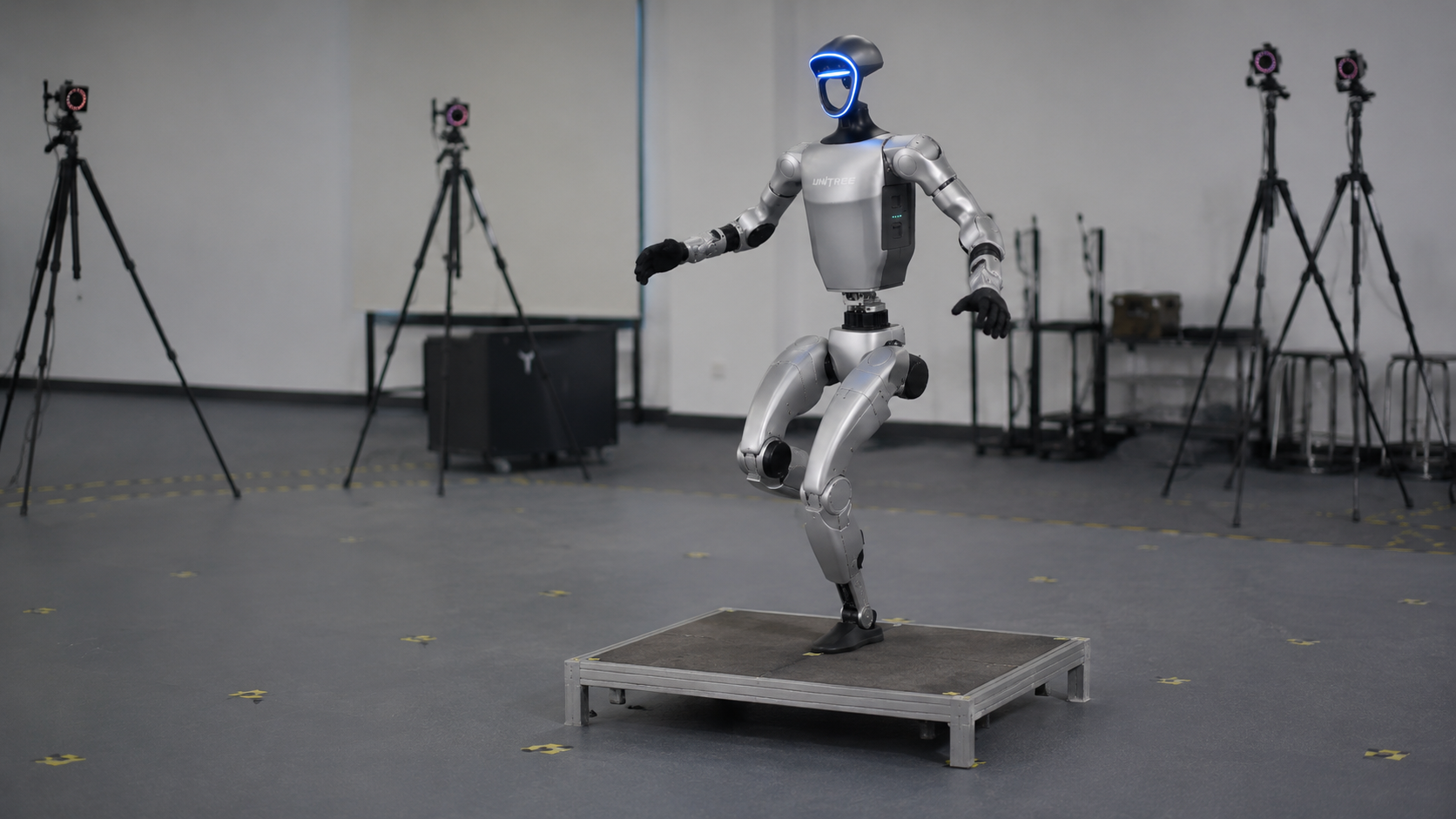
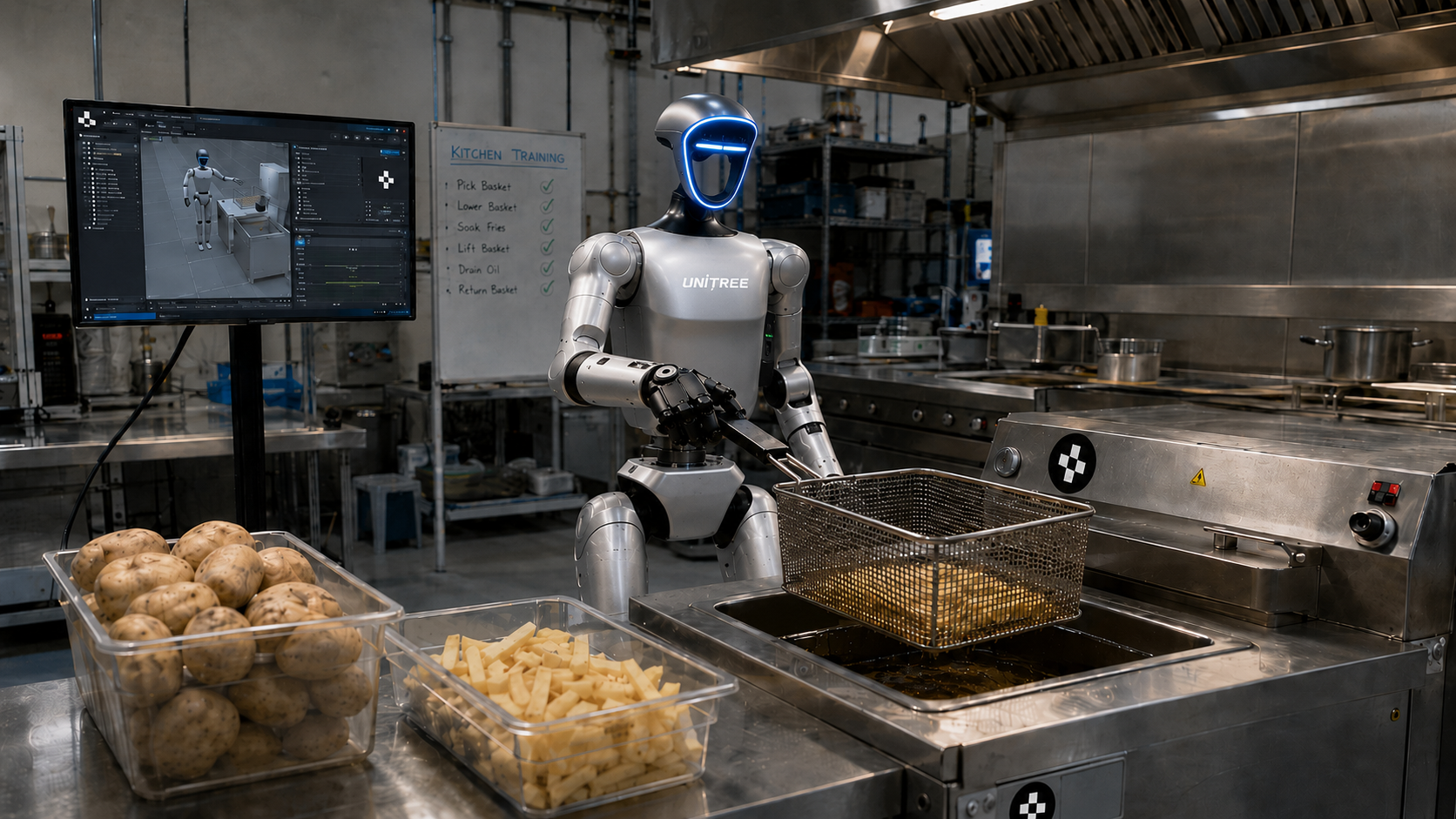
Unitree G1 can be used as a research stand for testing a cyber-physical approach: sensor data collection, environment modeling, motion validation, behavior training, operator control, and transfer of scenarios from simulation to a physical platform.
A real robot can be used to test initial setup, calibration, sensors, joint telemetry, movement, obstacle responses, and safe operating modes near people or equipment. The important part is not the robot demo itself, but the full cycle: physical platform, cameras and sensors, events, operator control, manual override, safe zones, and feedback.
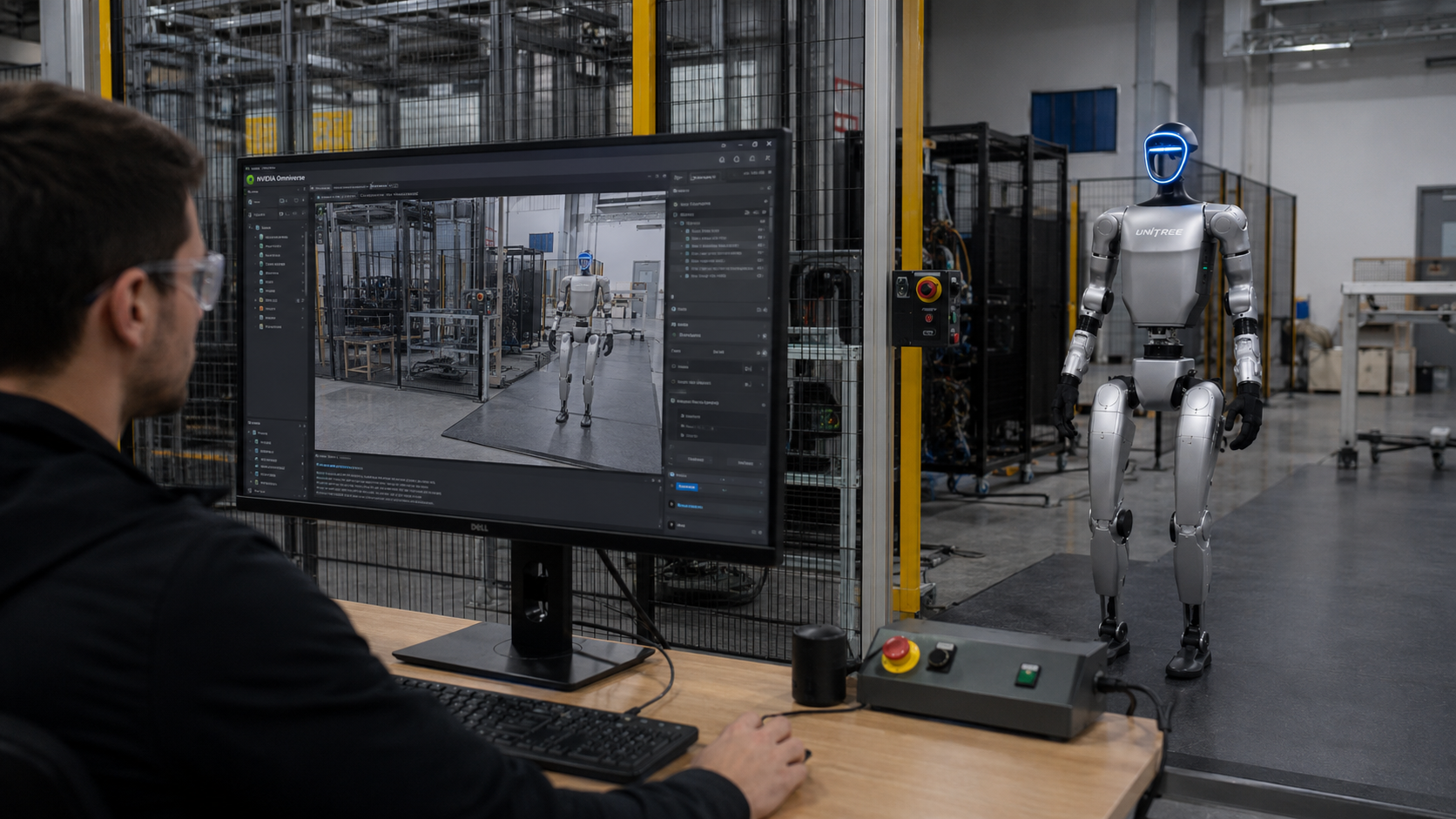
NVIDIA Omniverse and Isaac Sim can be used to build a digital scene and configure cameras, LiDARs, IMU, telemetry, obstacles, routes, and object-interaction scenarios.
Such a stand helps validate not a single algorithm, but the whole link: robot, environment, AI models, navigation, safety, operator interface, and transfer of validated logic to a physical platform.
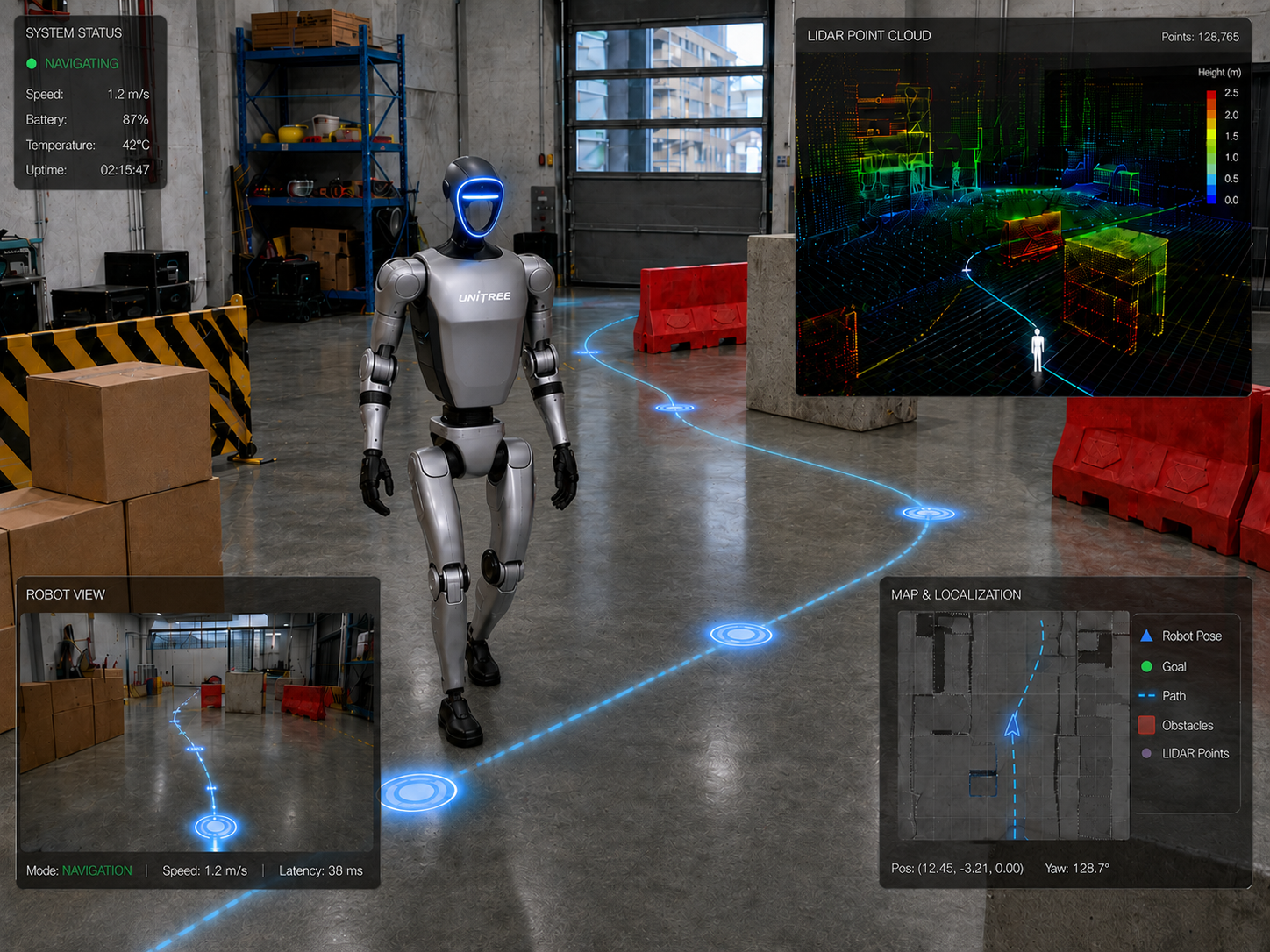
The robot must understand the environment and the task: detect people and obstacles, build a local map, receive operator commands, plan movement, and return a clear system state. This combines LiDARs, RGB/depth cameras, IMU, telemetry, SLAM, object recognition, route planner, statuses, event logs, and a monitoring interface.
Visual Assets
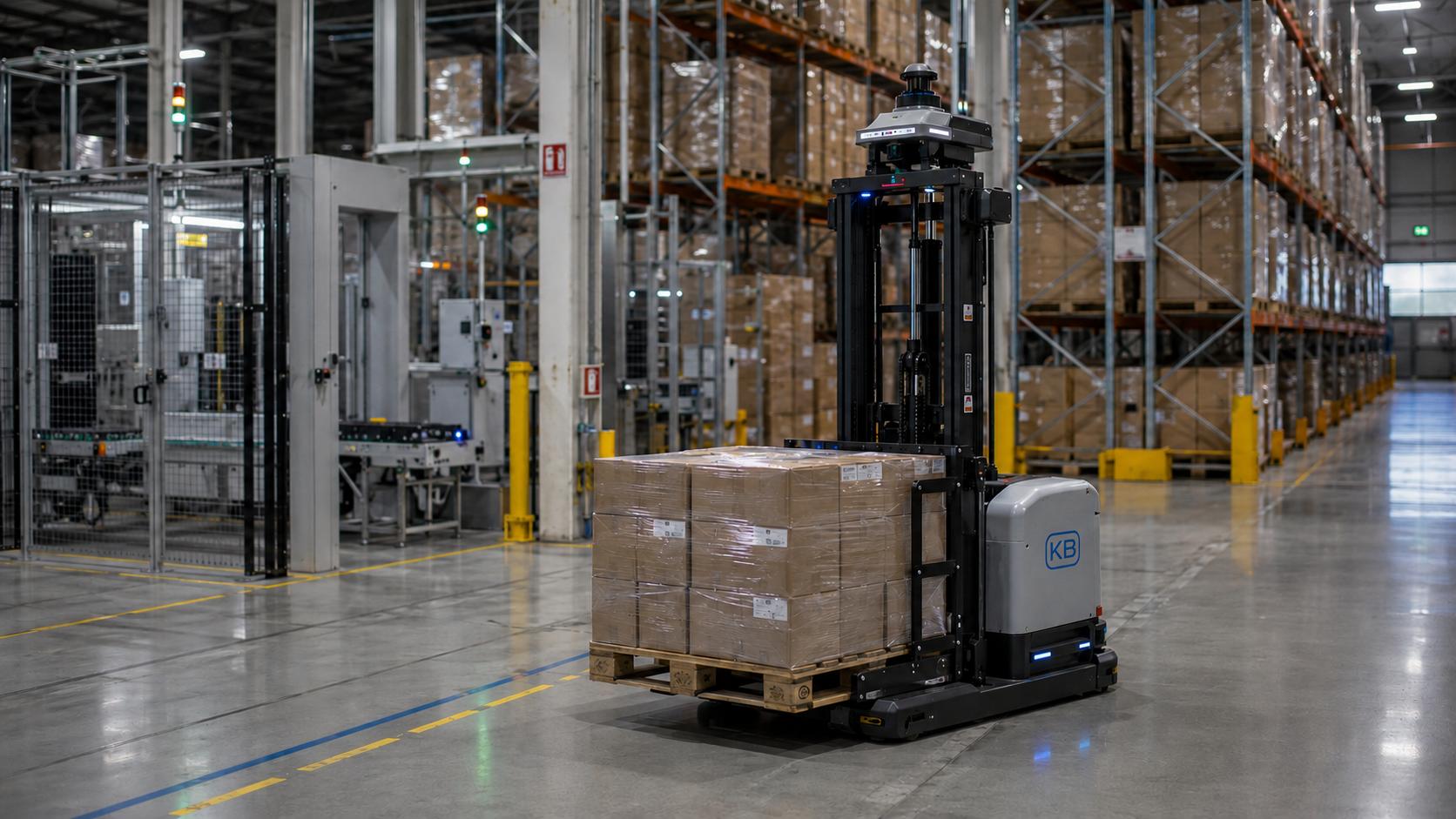
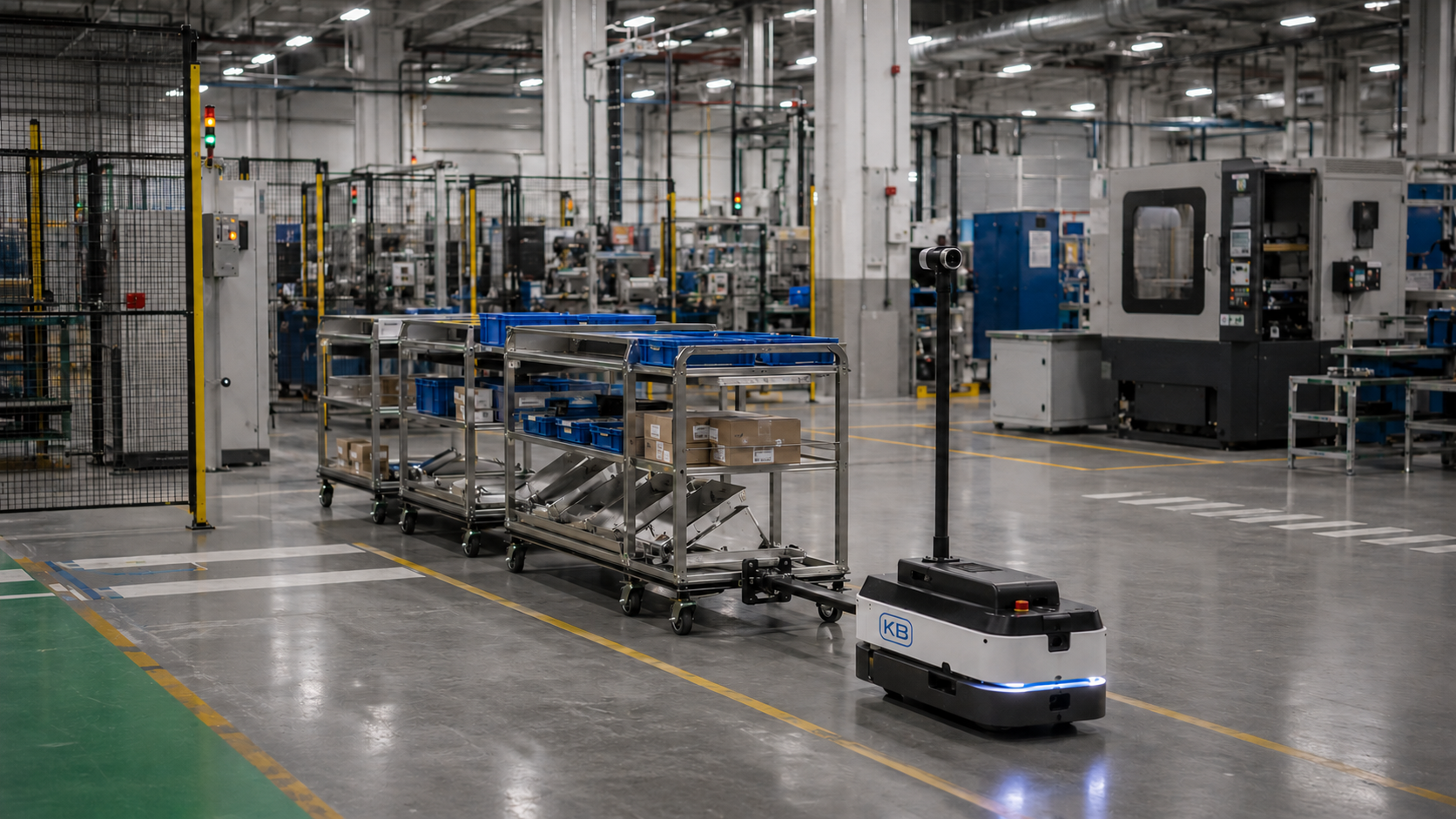
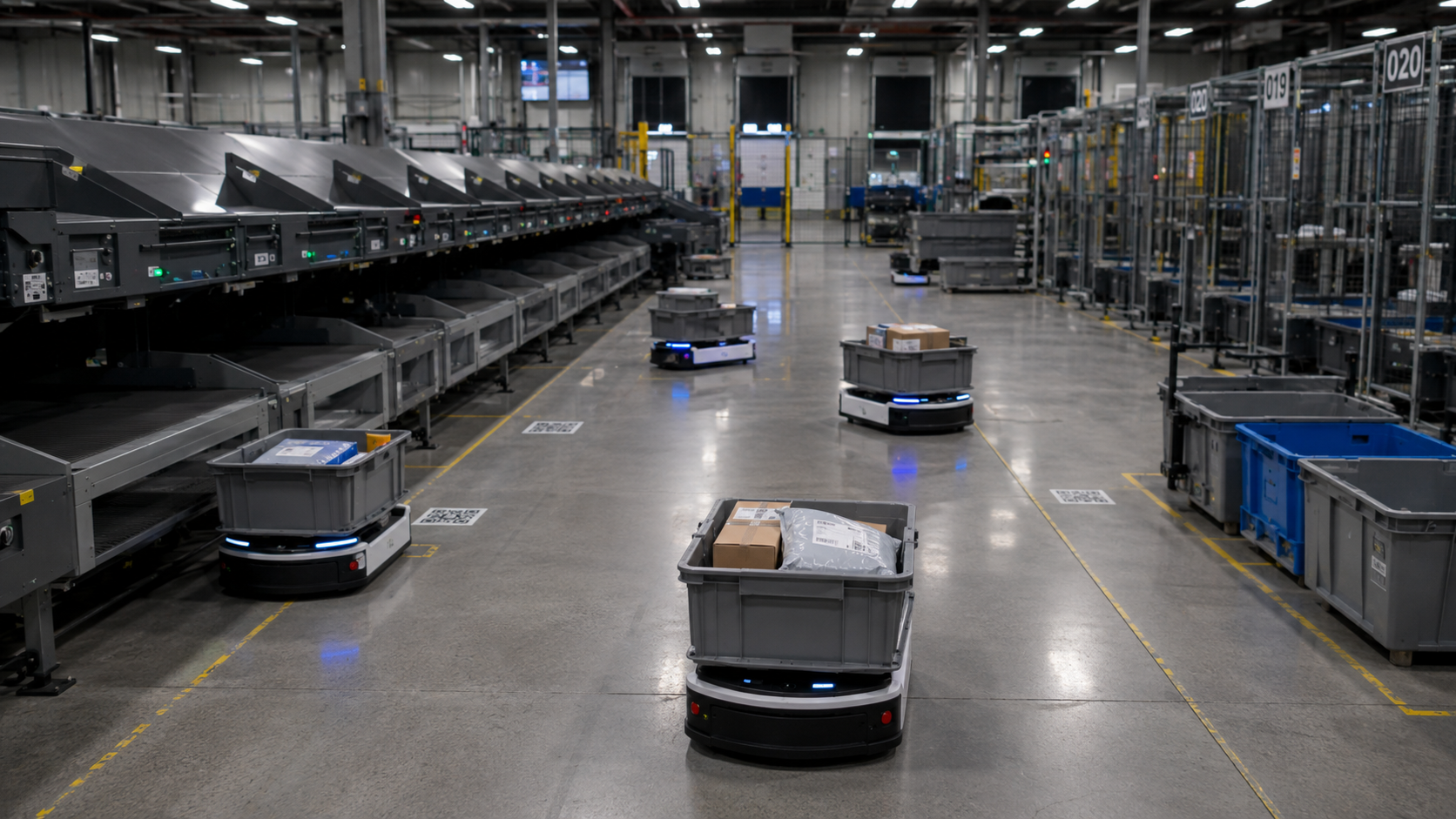
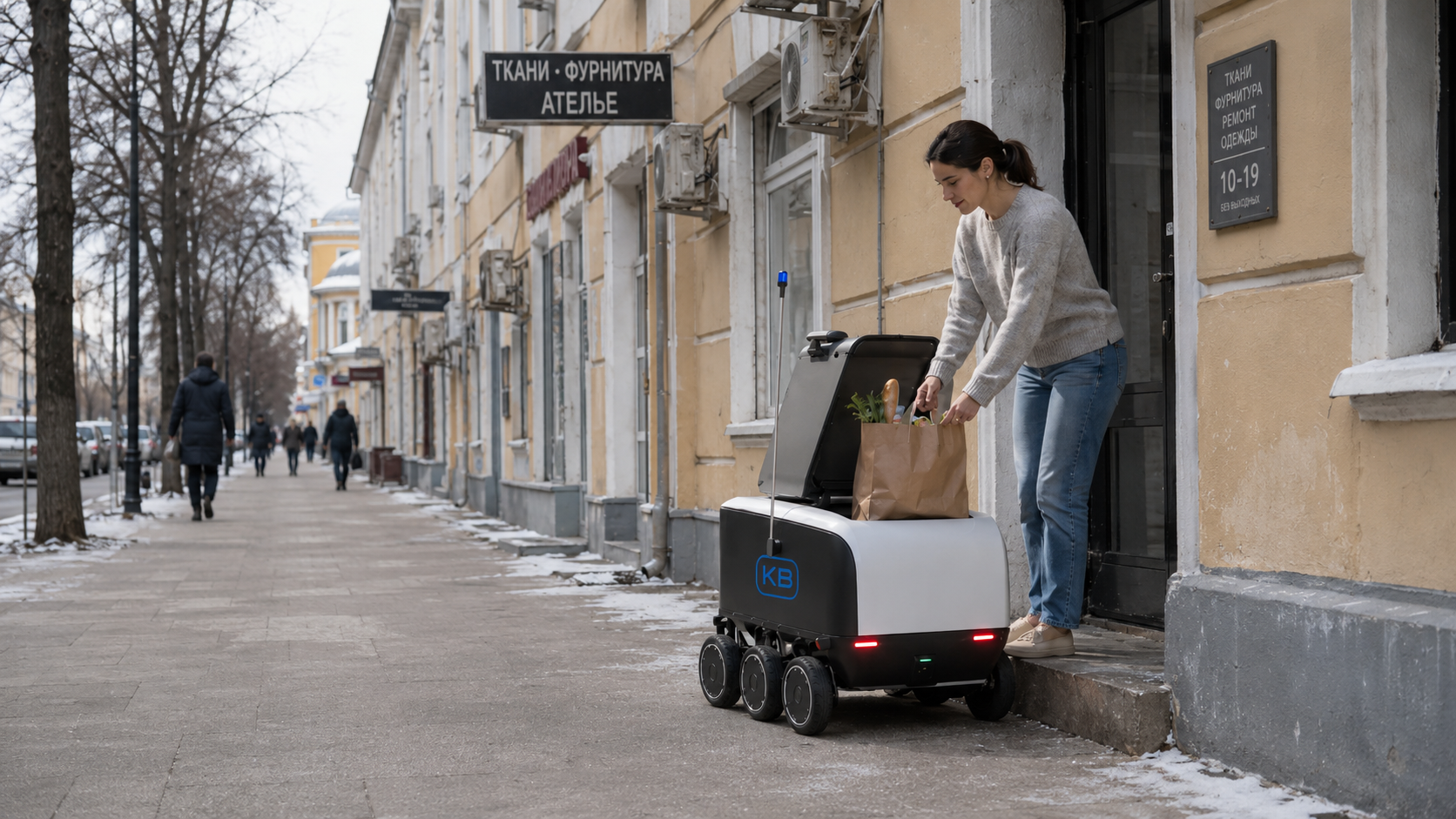
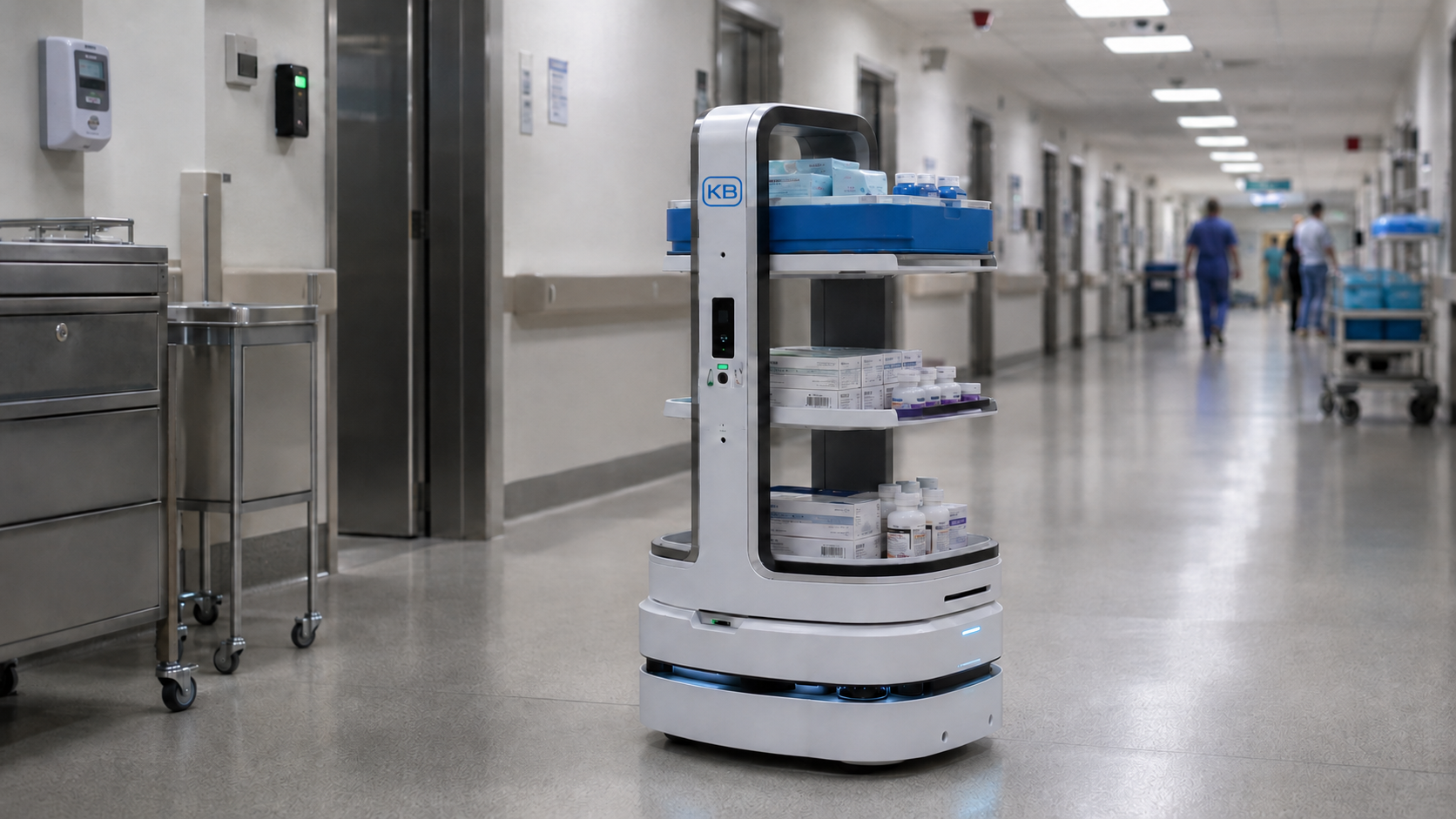
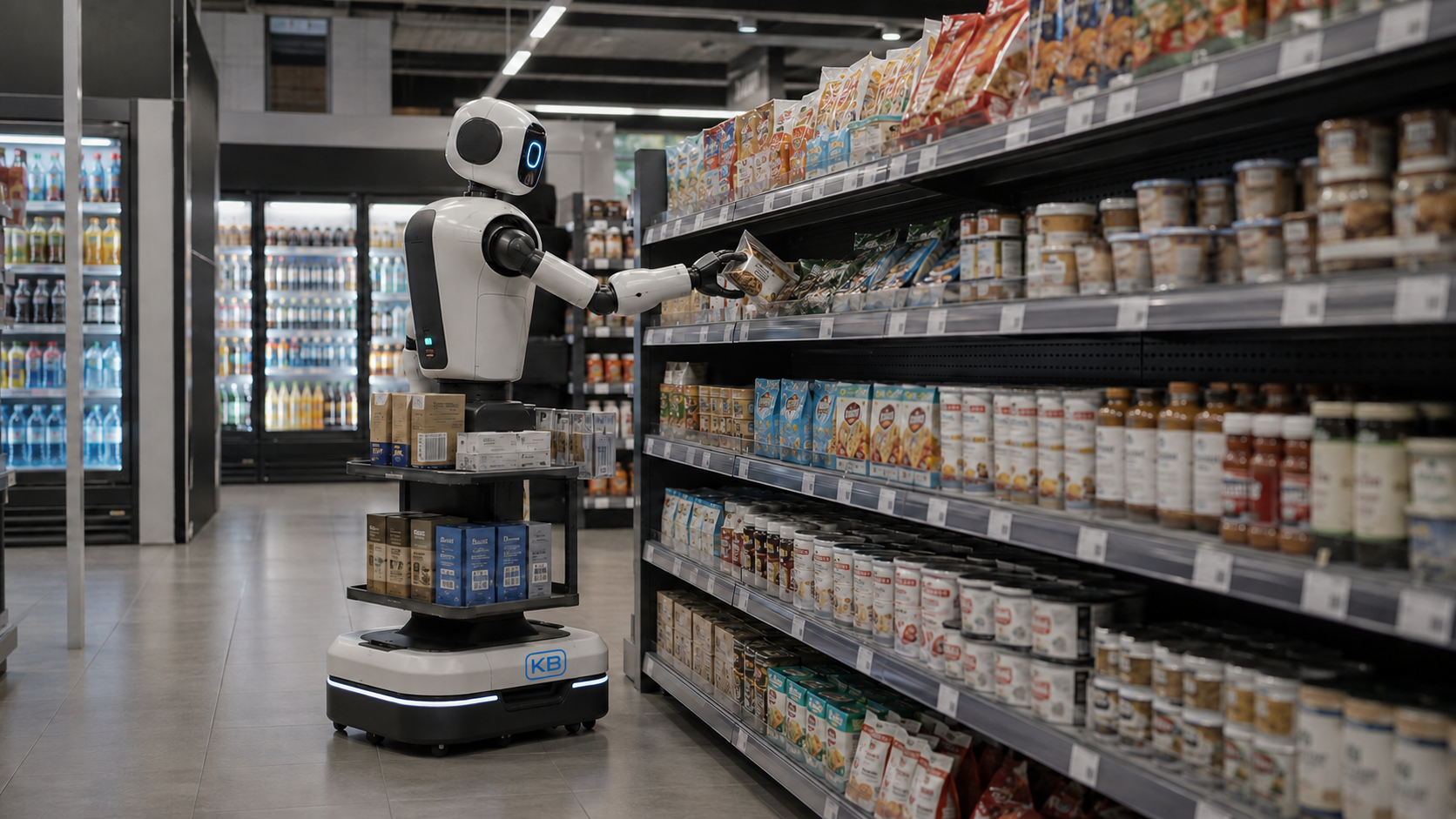
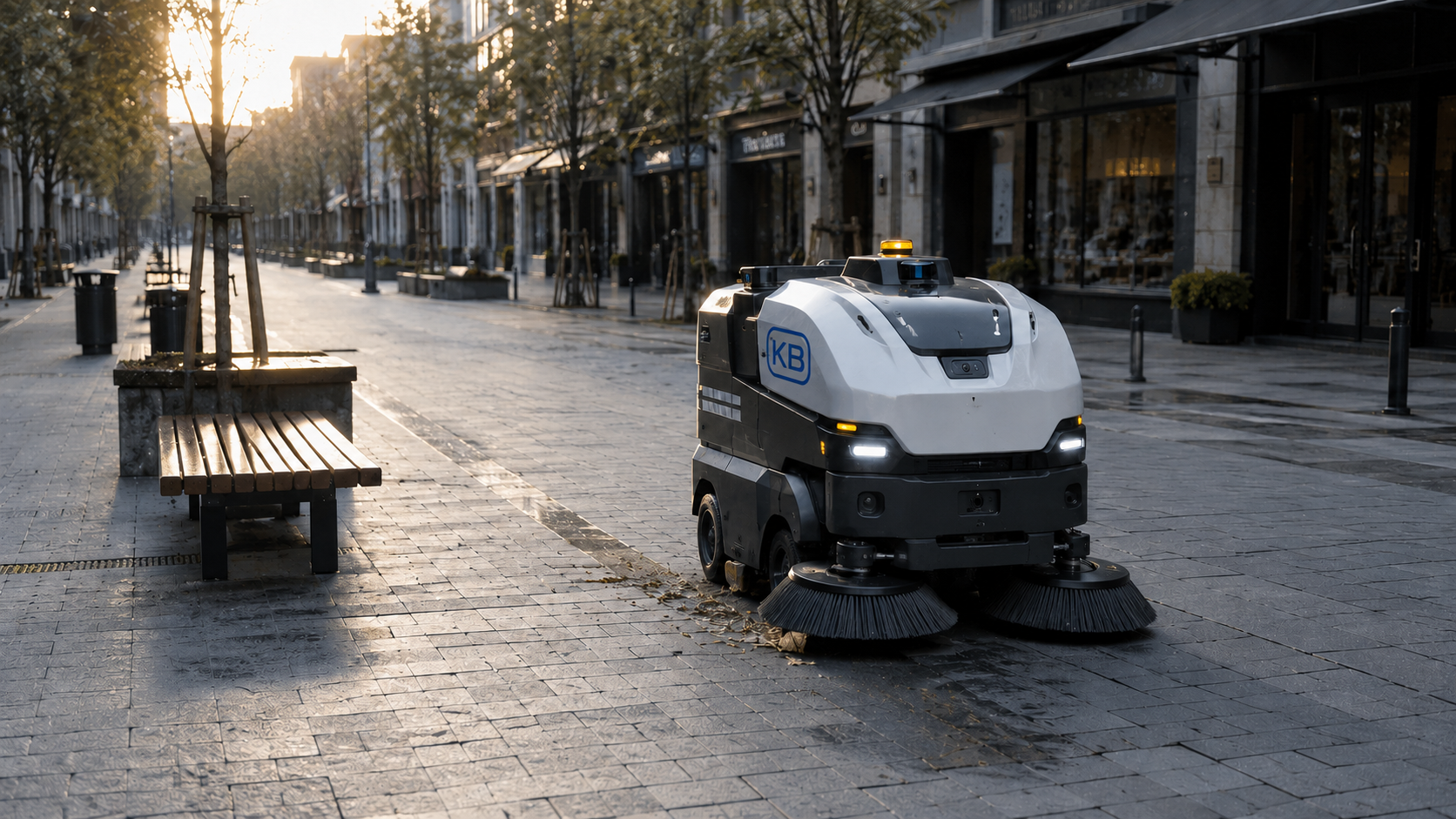
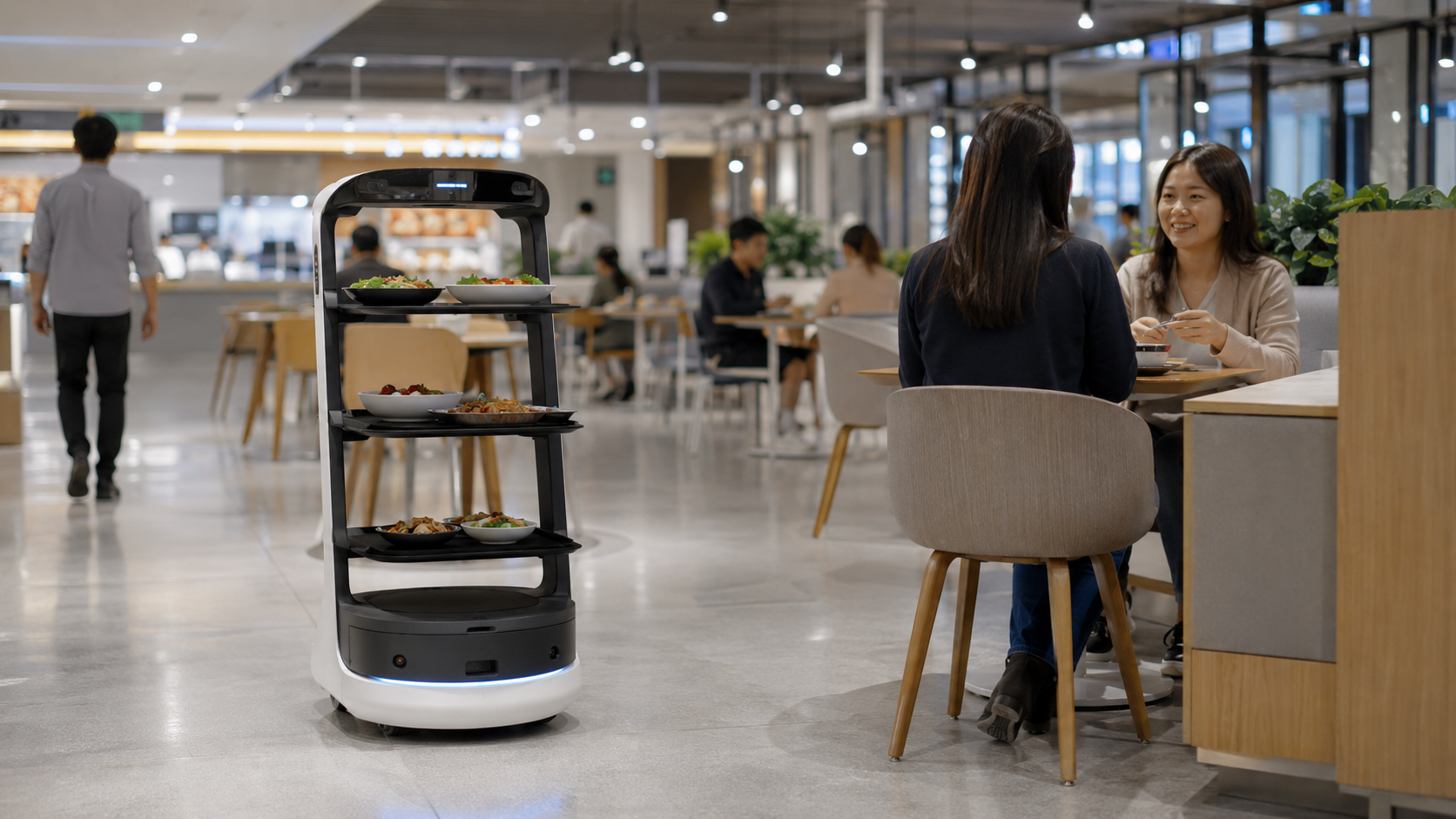
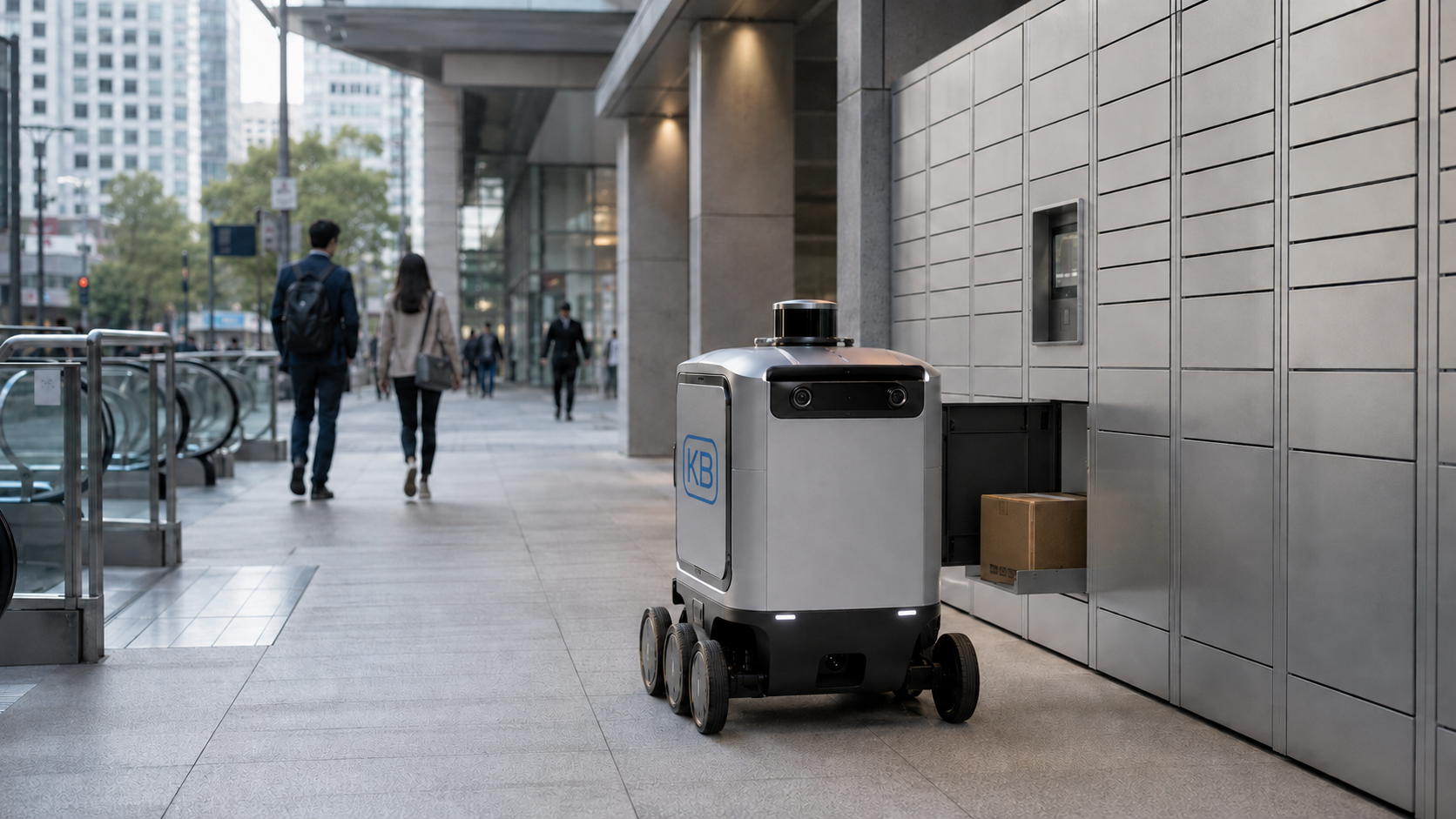
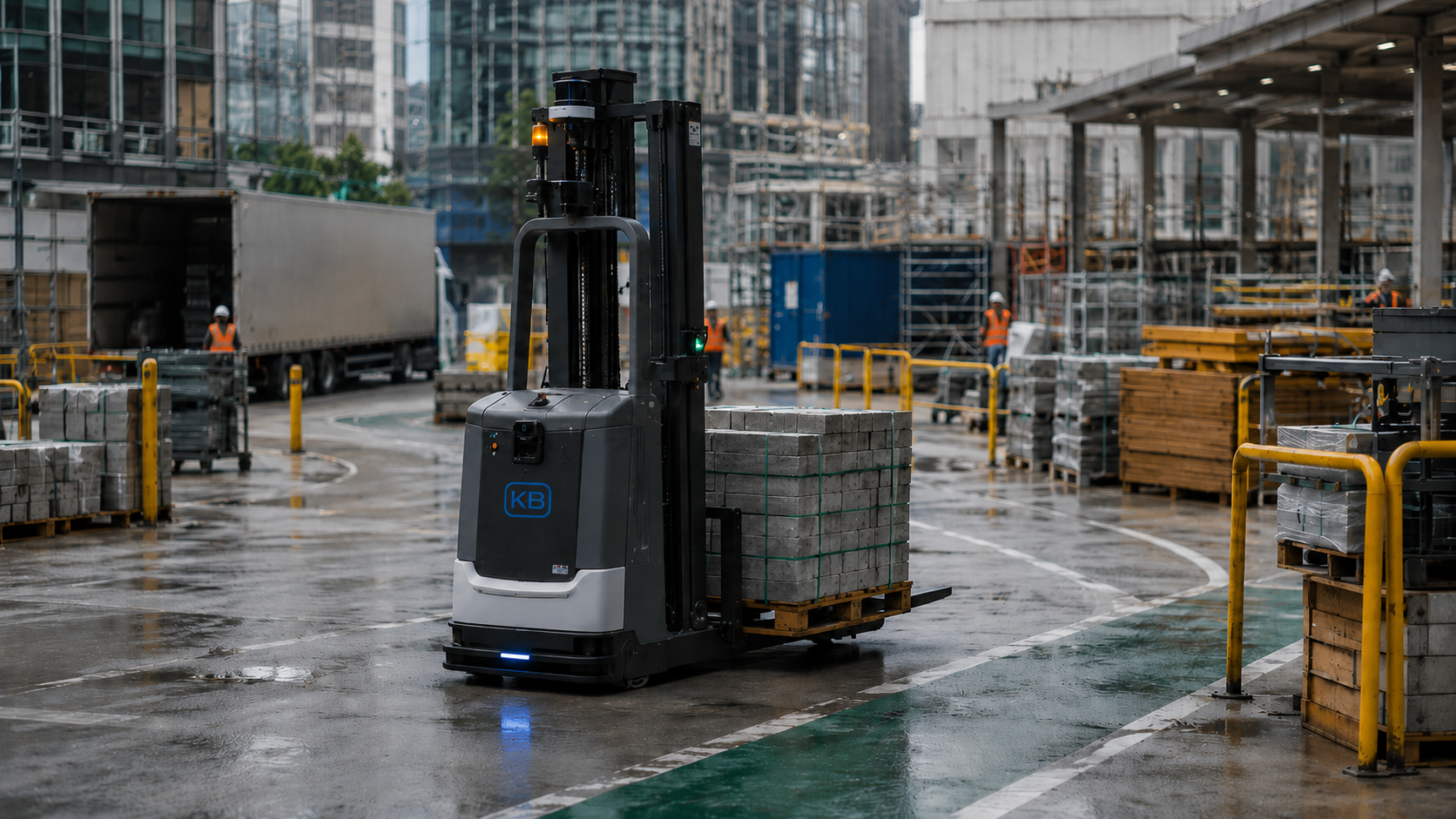
The visuals show where a cyber-physical approach can be applied: logistics, service tasks, urban environments, retail, HoReCa, healthcare, and production scenarios. These images should be treated as examples of directions, not as a list of confirmed deployments.
What We Can Build
The scope depends on the task, asset, and available data. We can start with one pilot scenario: quality control, inspection, navigation, sensor data collection, digital twin, model training, operator interface, or algorithm validation on a test stand.
Mapping, localization, obstacle detection, safe zones, routes, and data collection from cameras, LiDARs, and sensors.
Recognition of objects, people, defects, work zones, markers, events, and deviations on real or synthetic data.
Modeling of the asset, equipment, robot, routes, and abnormal situations to validate scenarios before deployment.
Monitoring panel, telemetry, event logs, remote command, manual override, readiness statuses, and feedback.
Why Kvantron
Kvantron works on tasks at the intersection of equipment, software, machine vision, and AI. We design the solution composition, develop software modules, configure models, validate system operation on data or a test stand, and support deployment on site.
We account not only for the algorithm, but also for cameras, sensors, computing, interfaces, site conditions, and operation.
We use models for analyzing images, video, events, objects, defects, and zones for customer-specific applied tasks.
Complex or risky scenarios can be tested in a digital environment, on a stand, or in a limited pilot area.
We do not offer a one-size-fits-all box; we select the architecture for the asset, data, and project constraints.
Describe the asset, process, and task. We will propose a preliminary solution architecture: what data is needed, what cameras and sensors may be required, where machine vision and AI should be used, how to validate the scenario on a stand or in a digital environment, and how to transfer it into the real process.
Need help? Contact us in any convenient way.
Support specialists are available around the clock and are ready to help with any questions.
Message us on Telegram. We will reply shortly.
Describe your request in detail using the feedback form.